Archives
- 2026-10
- 2026-09
- 2026-08
- 2026-07
- 2026-06
- 2026-05
- 2026-04
- 2026-03
- 2026-02
- 2026-01
- 2025-12
- 2025-11
- 2025-10
- 2025-09
- 2025-03
- 2025-02
- 2025-01
- 2024-12
- 2024-11
- 2024-10
- 2024-09
- 2024-08
- 2024-07
- 2024-06
- 2024-05
- 2024-04
- 2024-03
- 2024-02
- 2024-01
- 2023-12
- 2023-11
- 2023-10
- 2023-09
- 2023-08
- 2023-06
- 2023-05
- 2023-04
- 2023-03
- 2023-02
- 2023-01
- 2022-12
- 2022-11
- 2022-10
- 2022-09
- 2022-08
- 2022-07
- 2022-06
- 2022-05
- 2022-04
- 2022-03
- 2022-02
- 2022-01
Placental cells also express P aromatase CYP A
2024-03-16
Placental cells also express P450 aromatase (CYP19A1, encoded by CYP19A1). In the placenta, this enzyme requires an external source of androgens, provided by the adrenal gland of the fetus, to form estrogen. The fetal adrenal gland produces dehydroepiandrosterone (DHEA) [9] and, in the placenta, it
The current findings proved that citral treatment induced mi
2024-03-16
The current findings proved that citral treatment induced mitochondrial-mediated apoptotic cell death in both HCT116 and HT29 through the p53 and ROS. As such, citral promoted apoptosis as evident by the externalization of PS and dissipation of Δψm at 24h of treatment in HCT116 and HT29 cells. These
Since primitive societies plants herbs
2024-03-16
Since primitive societies, plants, herbs and seeds, rich in phytochemicals, were used due to their benefits in human health. These molecules were shown to present a diverse array of action mechanisms, including antioxidant activity, enzyme stimulation, hormones mimicking and by interfering with DNA
Interestingly we noticed that LPS
2024-03-16
Interestingly, we noticed that LPS exposure was associated with decreased phosphorylation of AMPK and increased phosphorylation of p70S6K1, suggesting that AMPK inactivation and the subsequent mTOR activation might be involved in the development of LPS-induced inflammation. On the other side, treatm
Sixth significant progress has been made during
2024-03-16
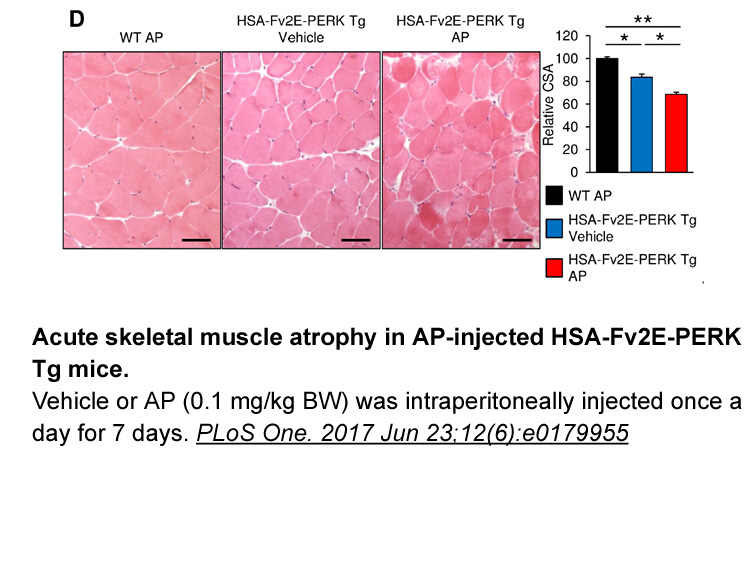
Sixth, significant progress has been made during the last few years regarding the molecular mechanisms underlying the activation of AMPK and this should aid to develop more potent and specific compounds. Information from crystallographic structures combined with computer-based drug design hold promi
br LO synaptic integrity and
2024-03-16
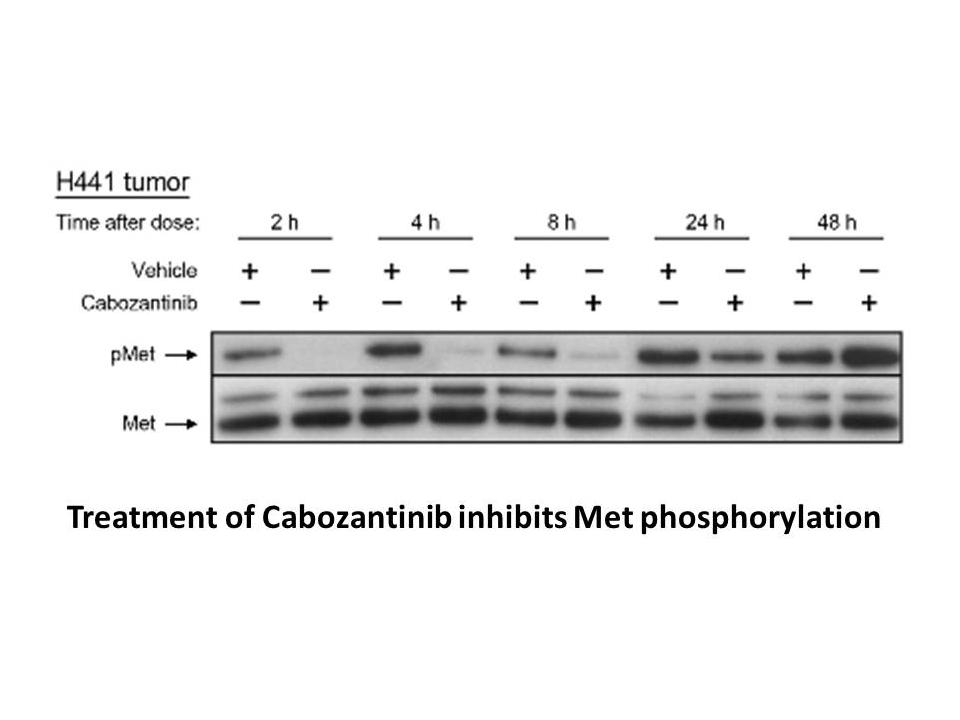
12/15LO, synaptic integrity, and memory Interestingly, several groups have found that 12/15LO directly modulates synaptic function. Normandin and colleagues reported that pharmacological inhibition of 12/15LO modulates rat hippocampal long-term depression (LTD), a process by which neuronal synapt
In this study we demonstrated that DRR protein
2024-03-15
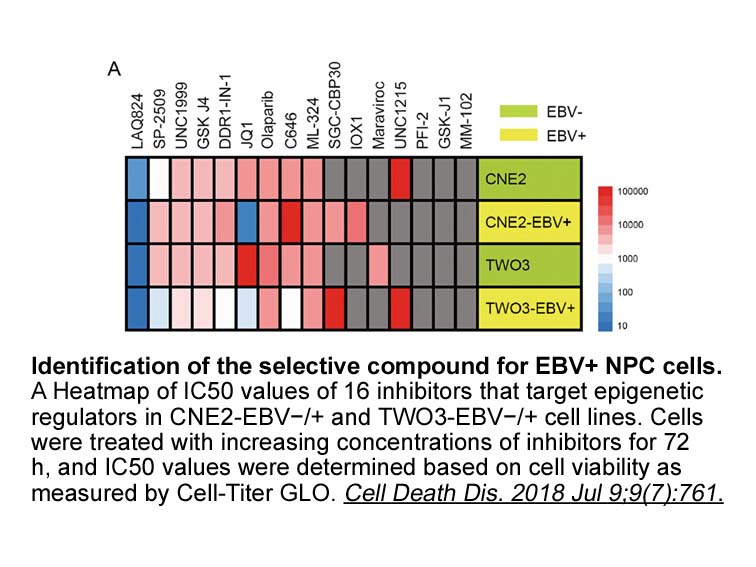
In this study, we demonstrated that DRR1 protein level in GBM tissues was significantly higher compared to normal Cy5 NHS ester tissues. This data suggested that DRR1 might play a role in the tumorigenesis of glioma. To investigate whether DRR1 could accurately predict the outcome in patients with
AdK as an important upstream regulator of adenosine based
2024-03-15
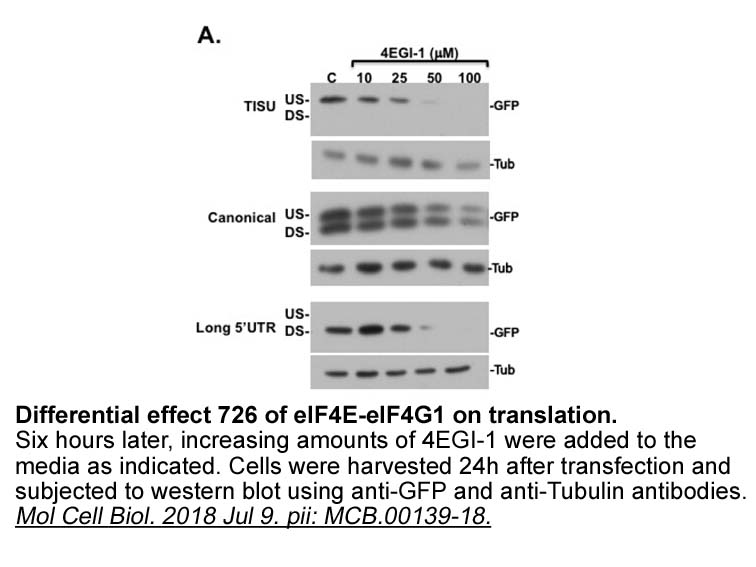
AdK as an important upstream regulator of adenosine-based homeostasis represents a promising drug target since it leads to an increase in adenosine concentrations. Taking into account that the adenosine formation is only increased in affected tissues under stress with high adenosine levels, AdK inhi
Endoplasmic reticulum ER stress resulting
2024-03-15
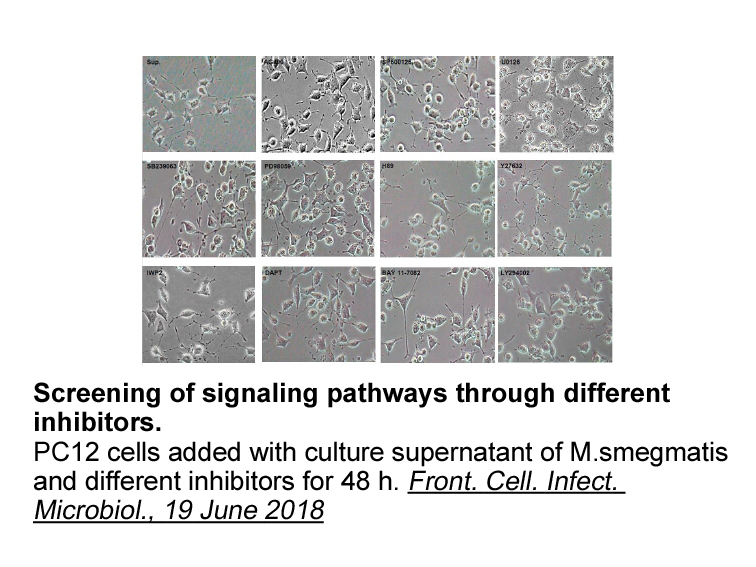
Endoplasmic reticulum (ER) stress resulting from accumulation of misfolded proteins in ER lumen stimulates a chain of adaptive responses termed as the unfolded protein response (UPR). Glucose related protein (GRP78/BiP), key ER chaperone essential for the activation of the ER-transmembrane signaling
Here we report discovery of highly selective pan
2024-03-15
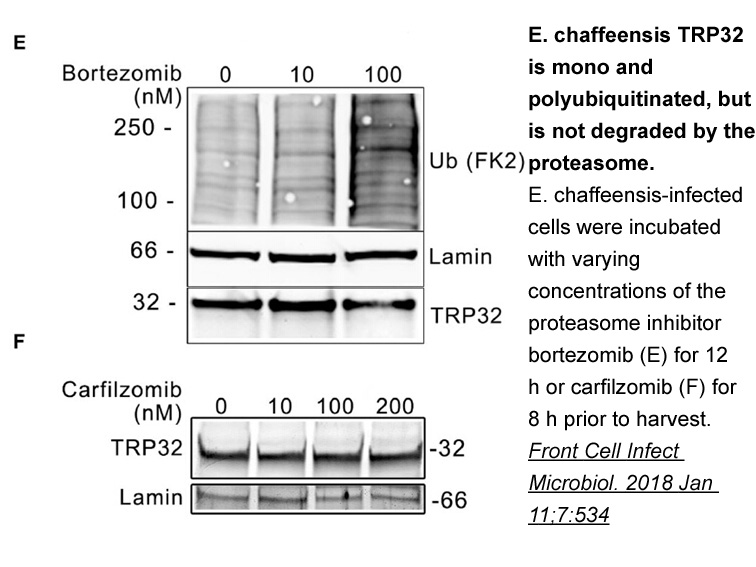
Here we report discovery of highly selective pan-Aurora kinase inhibitors through phenotypic screening. The co-crystal structure of Bindarit bound in the ATP binding site of Aurora A is described, and provides insight into the possible structural basis for the selectivity of the interaction. To i
IGF is an anabolic growth factor that induces hypertrophy an
2024-03-15
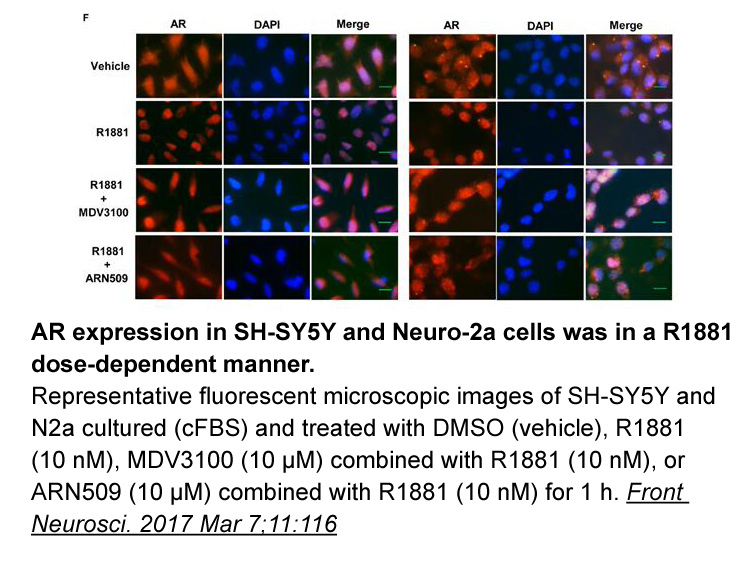
IGF1 is an anabolic growth factor that induces hypertrophy and blocks atrophy in skeletal muscle by activating the PI3K/AKT/mTOR pathway (Egerman and Glass, 2014). In addition to its anabolic and anti-catabolic effects, IGF1 stimulates fatty AY 9944 dihydrochloride receptor (FA) uptake and glucose
Starting with commercially available or nitropyrazole carbox
2024-03-15
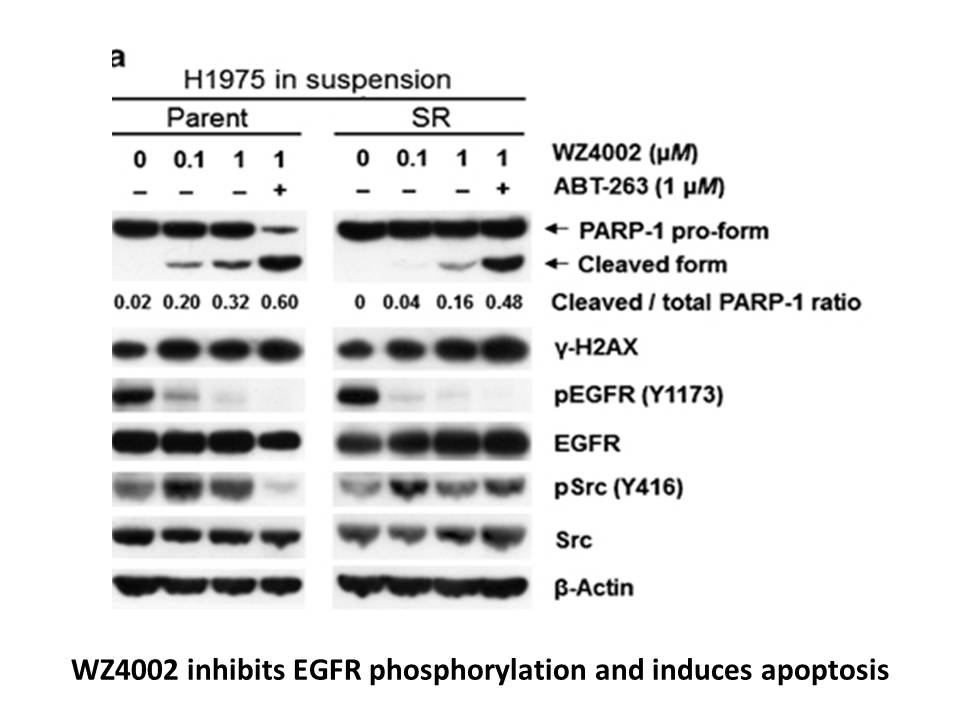
Starting with commercially available 4- or 5-nitropyrazole-3-carboxylic acid, anilides containing nitro, amino or methylsulfonamido were synthesized. Here, manipulation of the substituents on the pyrazole ring was conducted after the anilide formation (). The px12 of the nitro group was performed w
br The role of LOX plays in autophagy Autophagy is
2024-03-15
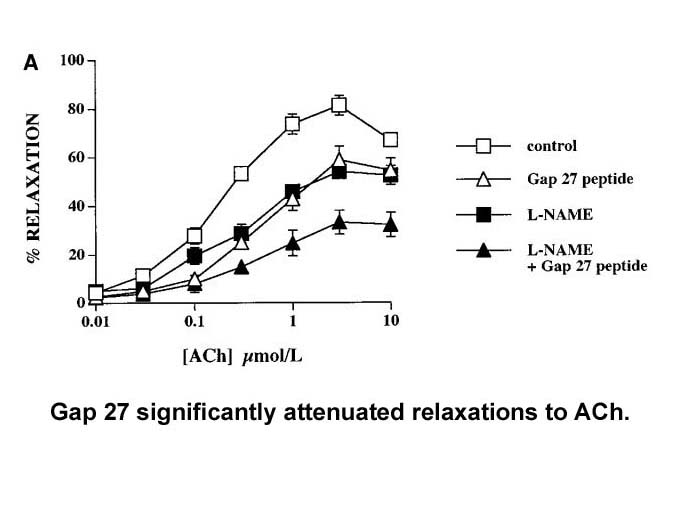
The role of 12/15-LOX plays in autophagy Autophagy is a process by which cellular material is delivered to lysosomal to degrade the damaged organelles and proteins to facilitate nutrient recycling (Towers and Thorburn, 2016). There has been characterized three types of autophagy-macroautophagy, m
C-type natriuretic peptide (1-22) (human, rat, swine) br Reg
2024-03-15
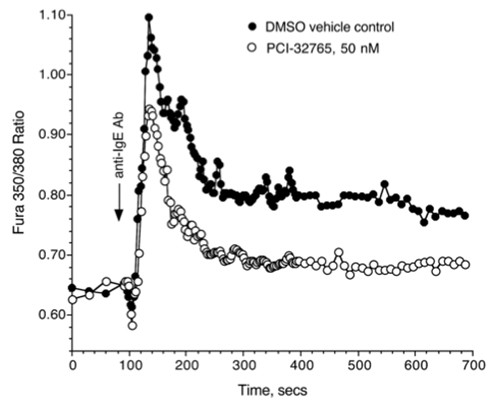
Regulatory mechanisms of ASK1 activity The functions of ASK1 in disease ASK1 inhibitor As mentioned above, ASK1 plays a pivotal role in the pathogenesis of various diseases; hence, an ASK1 inhibitor has therapeutic potential. Although inhibitors of the ASK1 downstream kinases p38 and JNK ar
Introduction The corpus luteum CL is a transient endocrine
2024-03-15
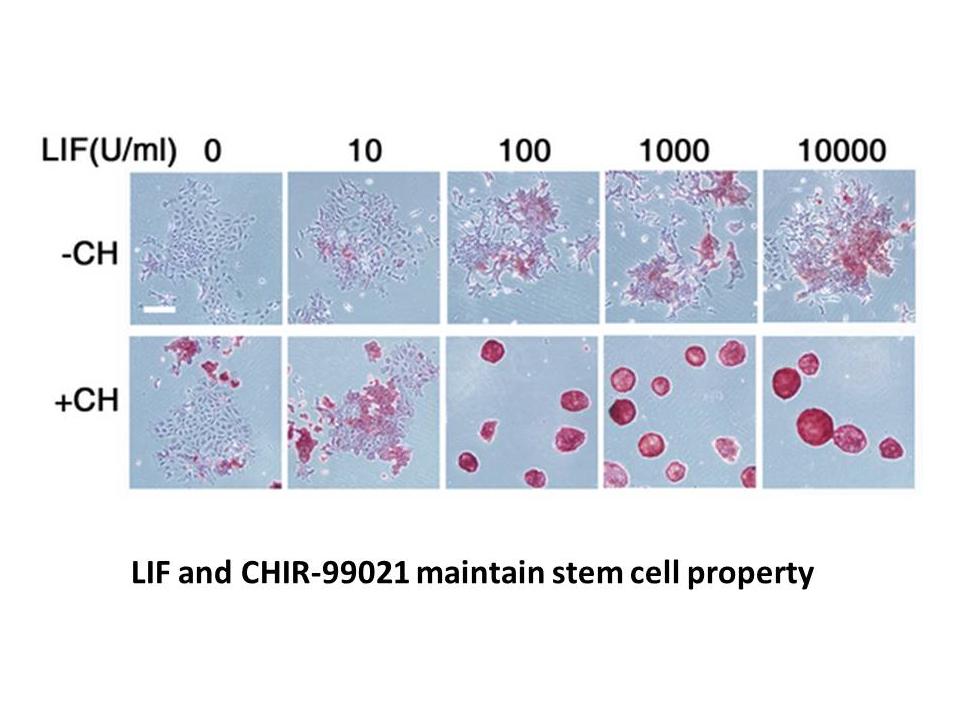
Introduction The corpus luteum (CL) is a transient endocrine gland that differentiates from the thecal and granulosal cells of the ovarian follicle after ovulation. Its formation and limited lifespan in the mammalian ovary is important for fertility, as the CL produces progesterone (P4), the essent
7978 records 213/532 page Previous Next First page 上5页 211212213214215 下5页 Last page