Archives
- 2026-11
- 2026-10
- 2026-09
- 2026-08
- 2026-07
- 2026-06
- 2026-05
- 2026-04
- 2026-03
- 2026-02
- 2026-01
- 2025-12
- 2025-11
- 2025-10
- 2025-09
- 2025-03
- 2025-02
- 2025-01
- 2024-12
- 2024-11
- 2024-10
- 2024-09
- 2024-08
- 2024-07
- 2024-06
- 2024-05
- 2024-04
- 2024-03
- 2024-02
- 2024-01
- 2023-12
- 2023-11
- 2023-10
- 2023-09
- 2023-08
- 2023-06
- 2023-05
- 2023-04
- 2023-03
- 2023-02
- 2023-01
- 2022-12
- 2022-11
- 2022-10
- 2022-09
- 2022-08
- 2022-07
- 2022-06
- 2022-05
- 2022-04
- 2022-03
- 2022-02
- 2022-01
br Funding This work was
2023-08-21
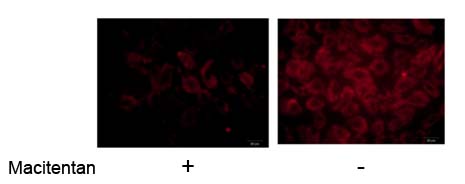
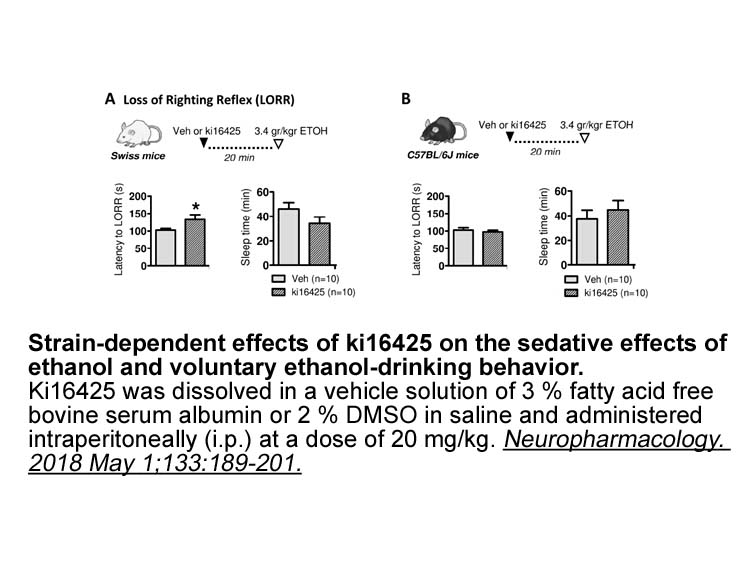
Funding This work was supported by Arena Pharmaceuticals, Inc, San Diego, CA, USA. Introduction 5-hydroxytryptamine 1B (5-HT1B) receptors are widely distributed in the central nervous system (CNS); they have various modulatory functions in drug reinforcement, appetitive behaviors, stress, moo
Adenosine receptors are proposed to play proangiogenic role
2023-08-21

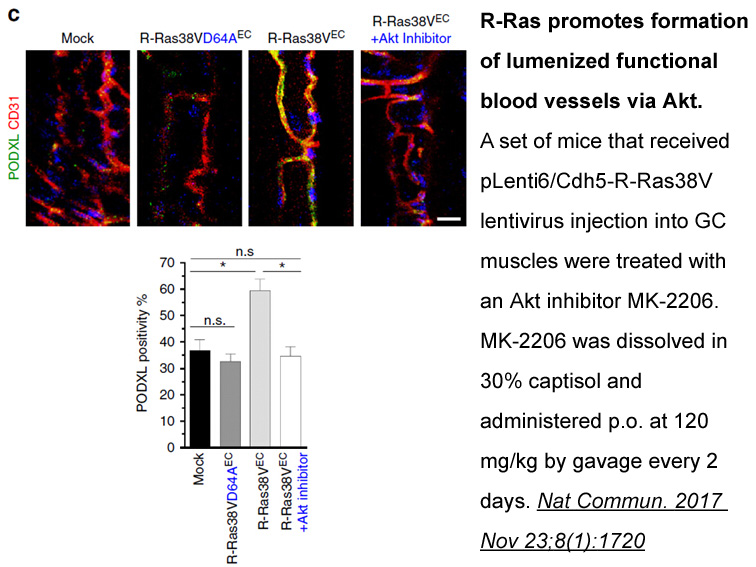
Adenosine receptors are proposed to play proangiogenic role in vascular and immune rifadin within microenvironment of hypoxic tissues to maintain tissue oxygenation in chronic ischemic condition [9]. Adenosine also stimulates the production of angiopoetin-1, VEGF and Interleukin-6 (IL6) via adenosin
br The role of AMPK beyond energy homeostasis regulating
2023-08-21
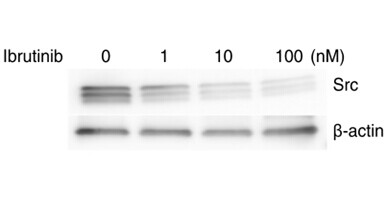
The role of AMPK beyond D-Mannitol homeostasis: regulating metabolism AMPK plays a major role in glucose homeostasis by modulating glucose transport in peripheral tissues [20]. Skeletal muscle, one of the main peripheral tissues involved in glucose uptake and disposal, expresses glucose transpor
Dopaminergic neurons are vulnerable to oxidative products an
2023-08-21

Dopaminergic neurons are vulnerable to oxidative products and inflammatory responses; these processes may play important roles in the etiology of PD. Because glial Amsacrine are the main generators of inflammatory responses in the CNS, the possibility that PD results from glial cell dysfunction mus
br Conclusion We present here the first comprehensive
2023-08-21
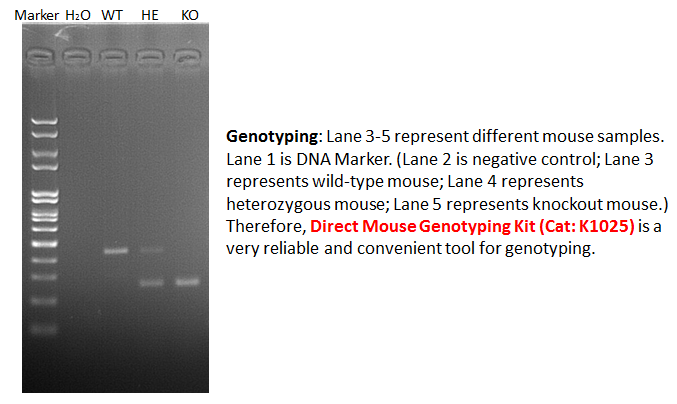
Conclusion We present here the first comprehensive analysis of B-Raf-induced transcriptional activation in insulinoma cells. The B-Raf-induced signaling cascade targets the c-Fos and the c-Jun genes. Both gene products are constituents of the AP-1 transcription factor. The phosphatases MKP-1 and
Several strategies have been employed to design and engineer
2023-08-21
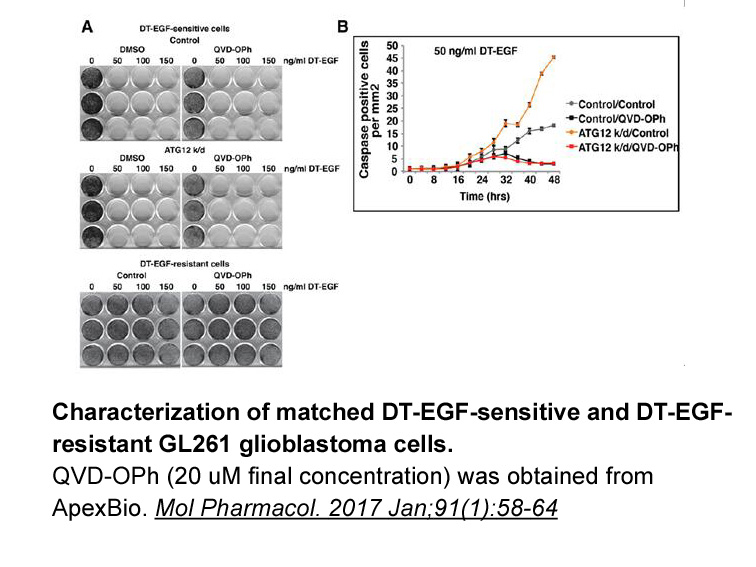
Several strategies have been employed to design and engineer peptide biosensors of kinase activity, which are quite different from the strategies developed to generate genetically encoded KARs. In all cases, Sitafloxacin induces changes in the spectral properties of the fluorophore(s) incorporated
The sequential behavioral approach used in
2023-08-21
The sequential behavioral approach used in the present study reinforced the involvement of the BDNF/TRKB system in the effect of losartan. In mice with dampened BDNF expression, losartan was no longer able to exert antidepressant-like effects. Similar to what was observed after losartan treatment, t
br Prostate cancer and resistance to AR targeting
2023-08-21
Prostate cancer and resistance to AR targeting treatment The AR plays a pivotal role in the development, differentiation, homeostasis and secretory function of the normal prostate (Wilson, 2011). The AR is also a key player in many phases of prostate carcinogenesis (Huggins et al., 1941, Scher an
Introduction AMP activated protein kinase AMPK is
2023-08-21
Introduction AMP-activated protein kinase (AMPK) is mainly known as a highly conserved and ubiquitously expressed energy sensor that is highly sensitive to changes in cellular energy levels (by sensing increases in AMP:ATP and ADP:ATP ratios) and makes appropriate adjustment to balance the consumpt
The enzyme mediated ATP sensing
2023-08-18
The enzyme-mediated ATP-sensing mechanism in zebrafish can be compared with previous studies in other animal species reporting that enzymatic conversion of chemicals in the peripheral olfactory organ results in either “activation” or “inactivation” of odorants and pheromones. In male silkmoth, the
br Introduction Adenosine deaminase ADA which can
2023-08-18
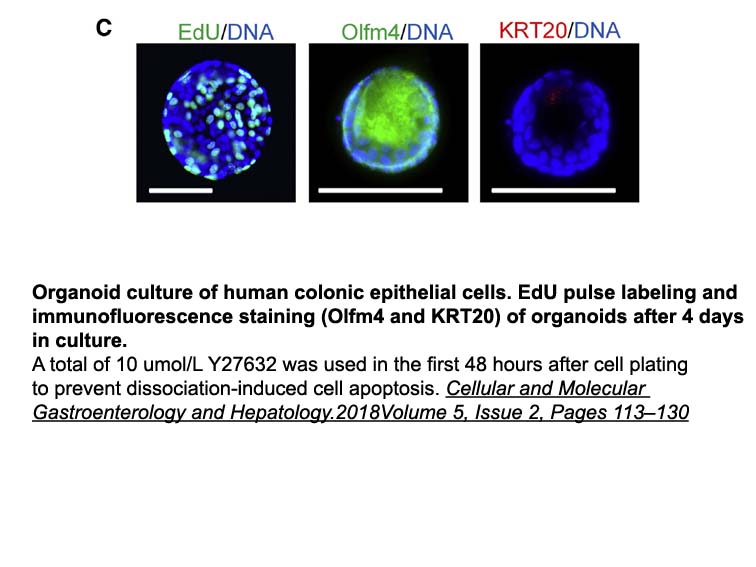
Introduction Adenosine deaminase (ADA), which can catalyze the conversion of AD to inosine by removing an amino group, is a key hydrolytic enzyme of purine metabolism (Conway and Cooke, 1939), and plays an important role in an amount of diseases. For example, an increase of ADA activity in serum
In addition to the above mentioned synaptic mechanisms the
2023-08-18
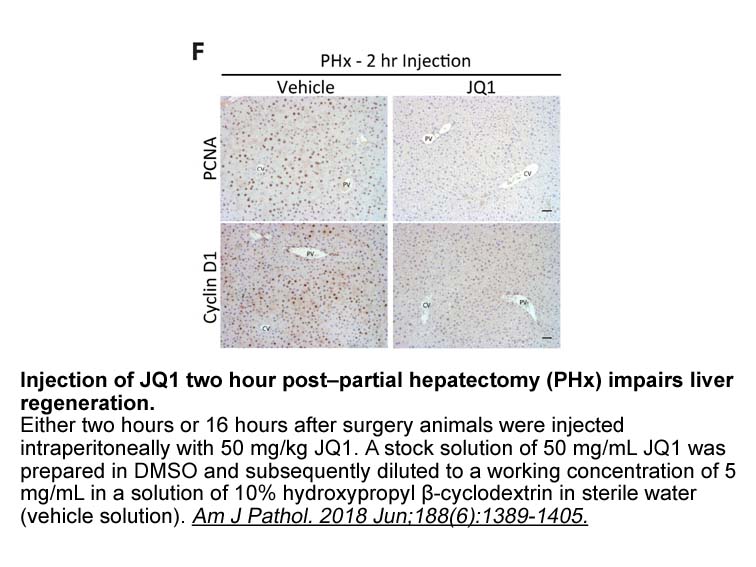
In addition to the above-mentioned synaptic mechanisms, the serotonergic system also has a critical role in the antidepressant effects of mGlu2/3 receptor antagonists. Indeed, we previously reported that mGlu2/3 receptor antagonists increased the firing rate of serotonin neurons in the dorsal raphe
The LO has so far only been found in humans
2023-08-18
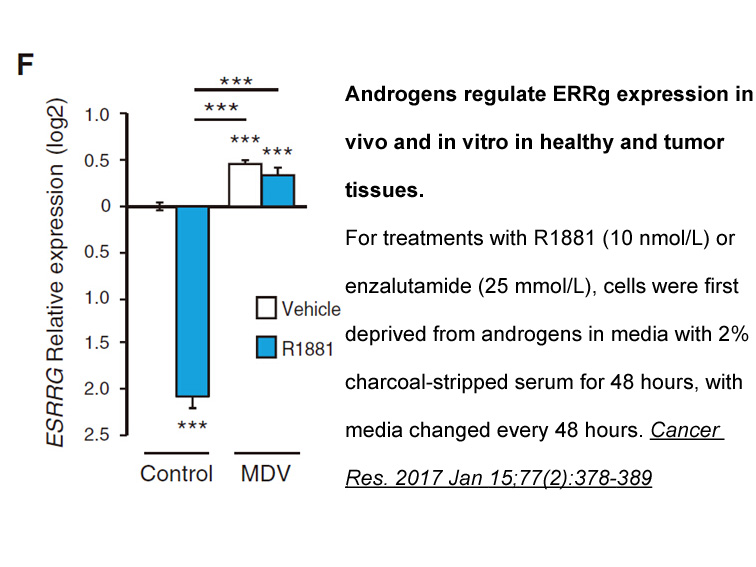
The 15-LO-1 has so far only been found in humans and rabbit reticulocytes [3], [20] and the rabbit 15-LO-1 protein demonstrate 81% identity to the human 15-LO-1. However, rabbit monocytes express an enzyme with mainly 12-LO activity [20], [21]. The high degree of sequence conservation between these
br Introduction Hepatocellular carcinoma HCC is an aggressiv
2023-08-18
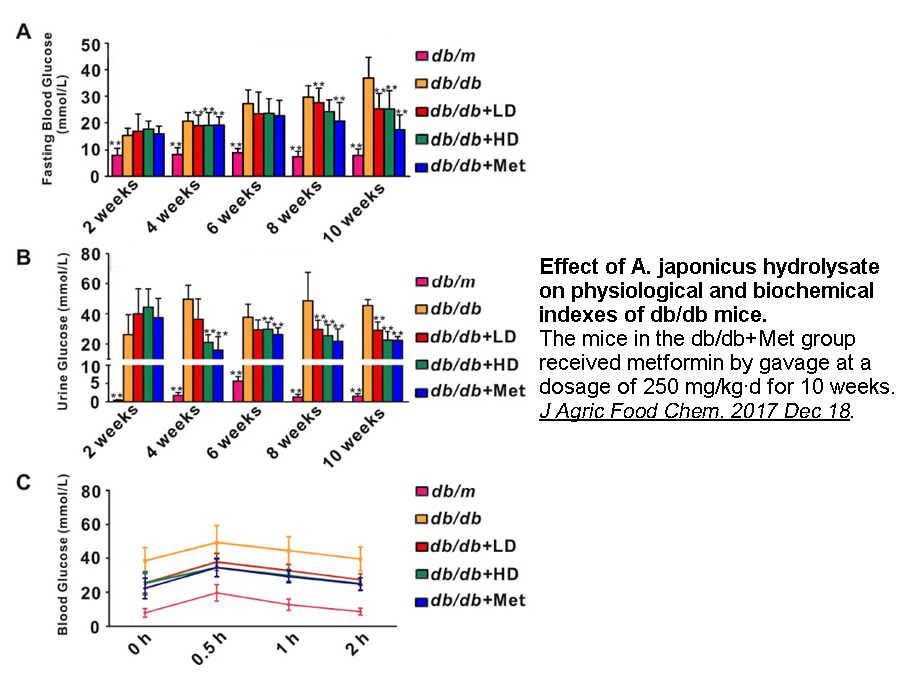
Introduction Hepatocellular carcinoma (HCC) is an aggressive and malignant cancer detected in clinical practice, as it is the third key reason of tumor-related deaths worldwide, with > 800, 000 mortalities every year (Torre et al., 2015). Current treatments for HCC are surgical therapy, liver tra
Apelin is a bioactive peptide and endogenous ligand
2023-08-18
Apelin is a bioactive peptide and endogenous ligand for the APJ receptor (APLNR), a member of the G protein coupled receptor family that shares a similar sequence as the angiotensin type-1 receptor (AT1) [5]. Early studies demonstrated that the apelin/APLNR receptor axis plays a significant role in
7979 records 320/532 page Previous Next First page 上5页 316317318319320 下5页 Last page